Green Decking Alternatives: Environmentally Conscious Materials for Your Upcoming Project
Environmentally conscious decking options are growing in popularity among homeowners looking for green alternatives. These options, which include reclaimed wood, bamboo, and composite materials, deliver both resilience and attractive design. Understanding their environmental impact is essential. Elements like material sourcing and overall cost efficiency over time are major influences on purchasing decisions. While homeowners investigate these alternatives, they often wonder which solution most closely matches their priorities and requirements. The findings may transform their exterior living areas.
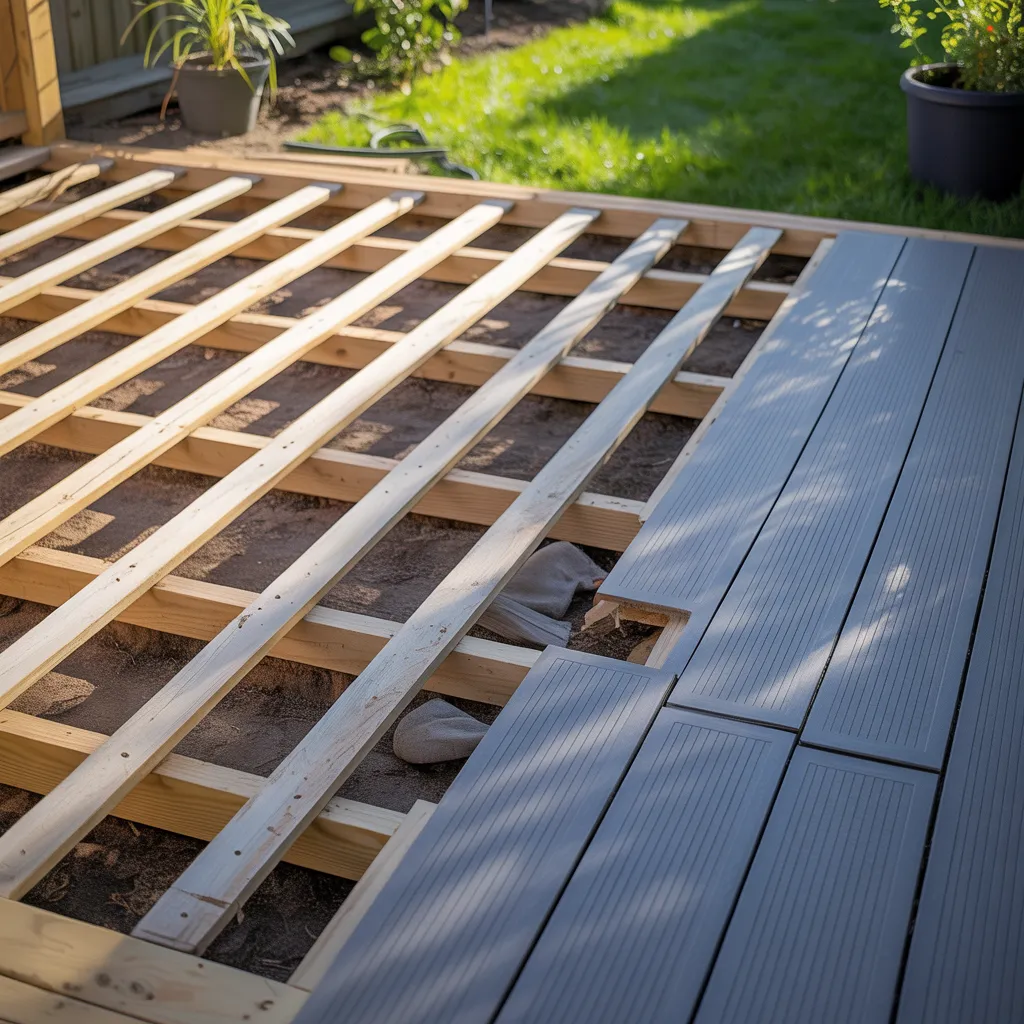
Everything You Should Know About Eco-Friendly Decking Materials
What should homeowners keep in mind when choosing environmentally friendly decking materials? To begin with, sustainability is of utmost importance; materials sourced from renewable resources, such as bamboo or reclaimed wood, considerably reduce environmental impact. Furthermore, durability serves a critical purpose; durable materials reduce the frequency of replacements, helping to preserve resources in the long term. Additionally, homeowners should evaluate the life cycle of the material, including production, transportation, and disposal processes, which can influence overall eco-friendliness. Chemical emissions, particularly volatile organic compounds (VOCs), represent another important factor, since materials with lower emissions support improved indoor air quality. Beyond that, the visual attractiveness and maintenance needs of the material should be considered, as they can impact overall satisfaction with the decking over time. Lastly, cost-efficiency is a key factor; although sustainable options might carry greater initial expenses, their durability and lower maintenance demands can result in long-term financial benefits.
Reclaimed Wood vs. Composite Decking: A Detailed Comparison
The comparison between reclaimed wood and composite decking raises important considerations related to environmental effects, longevity, and pricing. Every material carries its own strengths and weaknesses that can shape buyer preferences. Evaluating these elements is critical for reaching a well-informed choice in sustainable decking options.
Environmental Effects Assessment
Even though reclaimed wood and composite decking both present notable benefits, their environmental impacts vary significantly. Reclaimed wood is obtained from old structures, reducing the demand for new timber harvesting and reducing deforestation. Its use helps preserve natural resources and promotes recycling. However, its supply may be restricted and might contribute to transportation emissions.
On the other hand, composite decking is crafted from a mixture of recycled plastics and wood fibers. Even though it redirects waste away from landfills, the manufacturing process may be energy-intensive and might include harmful chemicals. Additionally, composite materials frequently have a longer lifespan, resulting in less frequent replacements. In the end, the choice between reclaimed wood and composite decking relies on balancing sustainability with practicality, factoring in elements such as resource sourcing and ecological impact.
Resilience And Long-Term Performance
When assessing long-term performance and durability, composite decking and reclaimed wood present distinct source advantages and challenges. Reclaimed wood, commonly obtained from old barns and demolished buildings, delivers a one-of-a-kind appearance and reliable structural strength. That said, without proper treatment, it can be vulnerable to warping, splintering, and pest infestations. By comparison, composite decking is designed for durability, offering resistance to fading, moisture, and insects. Its material composition allows for a lower maintenance requirement over time. Even though reclaimed wood can endure for generations with the right care, composite decking products commonly come with warranties spanning 20 to 30 years. At the end of the day, the decision copyrights on whether natural character or long-term performance is the greater priority, with each material offering specific benefits suited to different project needs.
Cost Analysis Insights
Evaluating the cost implications of composite decking and reclaimed wood uncovers significant differences that can influence project decisions. Reclaimed wood typically comes with a more affordable starting price, especially if obtained from nearby suppliers, but may incur increased maintenance spending over time due to its susceptibility to weathering and pests. Conversely, composite decking usually has a steeper starting cost, representing its advanced manufacturing process and enduring resilience. However, its reduced care needs can lead to decreased overall spending. Homeowners must also consider likely appreciation factors; reclaimed wood often resonates with buyers desiring natural charm, while composite materials deliver modern aesthetics. At the final stage of decision-making, the selection of either material copyrights on cost constraints and long-term preferences for care and aesthetic quality.
Innovative Decking Alternatives: Why Choose Bamboo?
Bamboo has become a compelling alternative for decking due to its fast growth rate and eco-friendly nature. Known for its impressive durability and strength, bamboo delivers both visual attractiveness and lasting reliability. With homeowners increasingly looking for sustainable options, bamboo's unique properties make it a remarkable option in decking materials.
Rapid Growth Benefits
As the need for eco-friendly construction materials grows, bamboo presents itself as a strong contender due to its impressive growth rate. This versatile grass plant can attain full growth in just three to five years' time, considerably ahead of traditional hardwoods, which may require decades of growth. Such rapid regrowth minimizes the environmental impact associated with deforestation and enables more responsible harvesting methods. Bamboo's exceptional rate of growth also means that significant volumes can be harvested in a comparatively brief period, offering a replenishable supply that meets the rising consumer demand. Additionally, its resilience in different climate conditions and perform well in different soil environments strengthens its attractiveness as a versatile and eco-friendly option for deck construction projects, advancing eco-friendly construction practices.
Durability And Strength
Where standard decking materials commonly fail under environmental conditions, creative alternatives like bamboo display outstanding strength and longevity. Bamboo, a grass rather than wood, boasts a tensile strength that matches steel, making it remarkably durable against everyday wear and tear. Its innate qualities make it capable of repelling moisture, mold, and pests, minimizing the reliance on chemical treatments. This resilience makes bamboo an ideal choice for outdoor applications where exposure to the elements is inevitable. In addition, bamboo's rapid growth cycle guarantees a sustainable supply, contributing to its eco-friendliness. With adequate upkeep and attention, bamboo decking is capable of enduring for decades, providing homeowners with a durable and visually appealing option that satisfies both aesthetic and ecological requirements.
Key Maintenance Advice for Extending the Life of Eco-Friendly Decking
Maintaining environmentally friendly decking is essential for guaranteeing its lasting beauty and structural integrity. Routine cleaning is a key factor; utilizing a light soap and water blend can effectively remove dirt and debris without damaging the surface. Furthermore, it is advisable to look for indications of mold or mildew, which tends to develop in moisture-prone areas.
Regularly sealing the decking every few years can safeguard it against moisture and UV damage, preserving its natural beauty. Additionally, good ventilation plays a key role; providing the decking with enough airflow is effective in preventing warping and decay.
Periodic inspections for loose boards or nails are also essential, as they can create potential hazards. Finally, homeowners should refrain from using harsh chemicals or pressure washing, as these practices can deteriorate the material with prolonged use. By following these maintenance tips, eco-friendly decking can stay a remarkable and eco-conscious enhancement to any outdoor setting.
How to Choose the Right Eco-Friendly Decking for Your Space?
Selecting the right sustainable deck material demands thorough assessment of several factors that align with your design sensibilities and environmental values. First, you should examine the available materials, such as recycled lumber, bamboo timber, or composite options made from reclaimed plastics. Each choice offers notable qualities regarding longevity, maintenance, and appearance.
Moreover, geographic location and climate conditions are crucial elements. Some materials perform better in specific weather conditions, which directly impacts their lifespan and safety. Additionally, evaluating the ecological effects of material sourcing and production is vital; credentials such as FSC or LEED serve as indicators of sustainable practices.
Financial limitations are equally important, as environmentally conscious alternatives can range greatly in expense. Ultimately, the intended use of the space should dictate the aesthetic and practical aspects, guaranteeing that the preferred decking fulfills both utilitarian and decorative demands. By carefully weighing these factors, decision-makers can reach a well-considered conclusion that balances style and sustainability.
Perks of Sustainable Decking Solutions
Eco-friendly decking options provide many benefits that go beyond surface-level beauty. These materials , often composed of environmentally conscious or reclaimed resources , greatly reduce harm to the environment. By opting for green decking solutions , homeowners contribute to preserving natural forests and habitats , encouraging ecological diversity.
Furthermore, green decking materials commonly features superior durability and resilience against weather-related wear, resulting in reduced upkeep expenses in the long run. Most environmentally friendly materials are constructed to handle extreme conditions without relying on toxic chemicals, providing a healthier option for families and the ecosystem alike.
Moreover, the incorporation of sustainable decking can increase property value, as a growing number of buyers seek out eco-conscious qualities in their homes. With a variety of styles and finishes on offer, these options can address diverse design preferences while promoting a greener future. At the core, opting for sustainable decking unites personal aesthetics with a commitment to environmental conservation, creating a seamless balance between beauty and responsibility.
Common Questions and Answers
How Can Eco-Friendly Decking Influence Your Home Resale Value?
Eco-friendly decking can beneficially affect residential resale value, as more buyers are prioritizing sustainable features. Such appeal may generate higher offers and quicker sales, demonstrating a developing market shift towards sustainable living decisions.
Can Sustainable Decking Withstand Challenging Weather Conditions?
Environmentally conscious decking are capable of withstanding harsh weather conditions, depending on the materials used. Specific composite materials and treated timber are designed for long-lasting performance, withstanding moisture, ultraviolet exposure, and temperature changes, providing enduring reliability in a range of weather conditions.
How Does Eco-Friendly Decking Cost Compare to Traditional Decking Options?
Cost differences between sustainable and conventional decking materials vary considerably. Green decking alternatives often have elevated initial price points due to the use of sustainable resources, but long-term savings on maintenance and durability may offset these upfront costs for homeowners.
What Certifications Are Available for Sustainable Decking Materials?
Several certifications are available for sustainable decking materials, including FSC, Green Seal certification, and the Cradle to Cradle certification. Such certifications ensure that products satisfy established environmental benchmarks and support ethical sourcing and manufacturing processes.
How Can I Recycle Old Decking Materials Sustainably?
For the sustainable recycling of old decking materials, people can get in touch with local recycling depots or construction waste management centers. In addition, transforming them into landscaping features, garden beds, or custom furniture pieces can maximize their lifespan while cutting down on landfill waste.